

Inside a Day-Before Pack: What the Crew Does, Room by Room
Wondering what professional packers actually do? Here's how a day-before pack works room by room, what materials are used, and what you should handle yourself.
Advice from crews who do this every day
Practical tips for Auckland and Waikato moves, from packing timelines to choosing the right crew size.
Updated: 24 August 2026

Richard Boote · Owner & General Manager
Richard founded Specialist Movers in 2023 and runs the Auckland and Waikato operations. He still quotes the difficult jobs himself, and the business now completes around 180 moves a month.
The day before is its own job
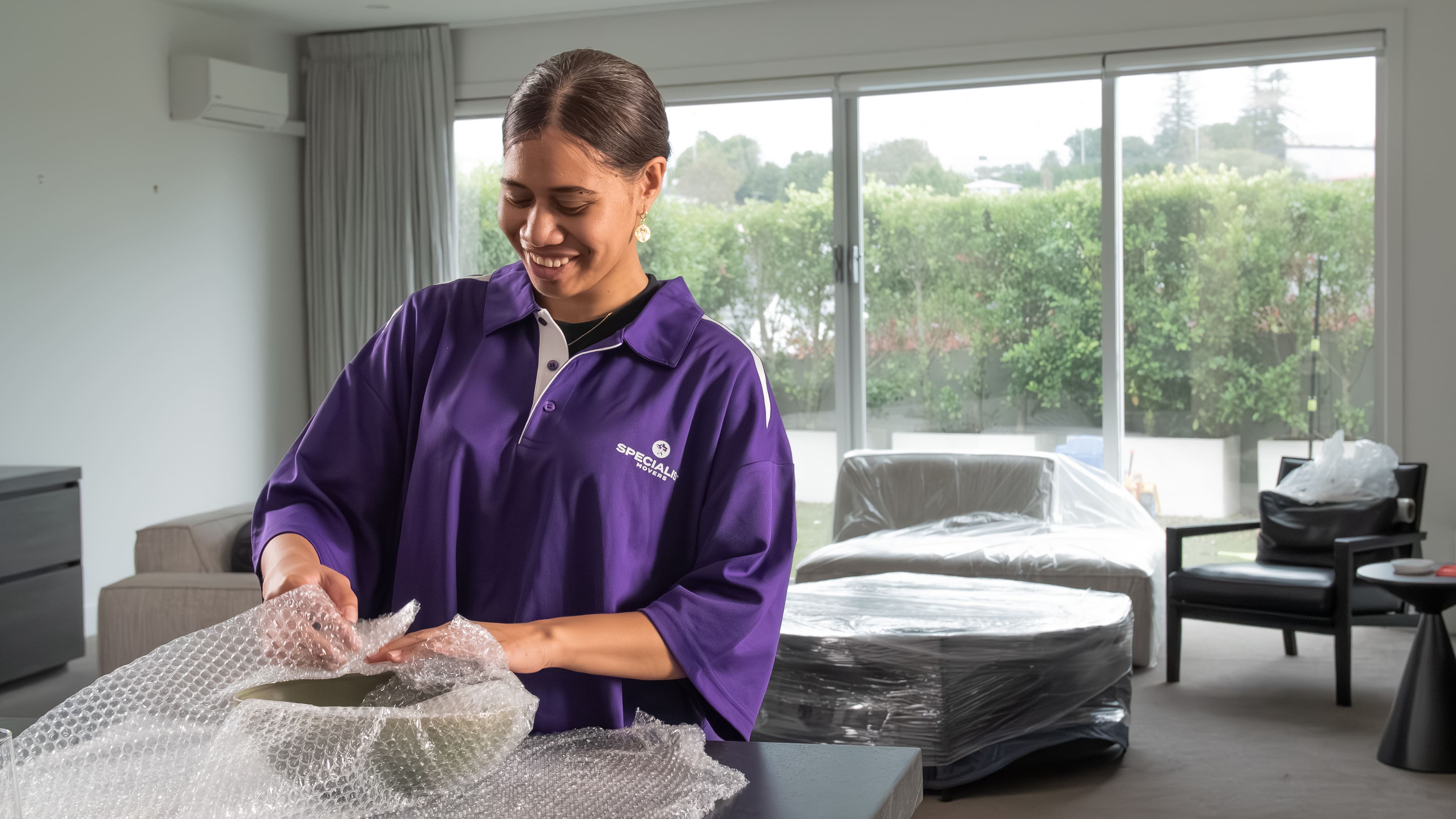
Most people think of moving day as the main event. But if you book a packing service, the day before is when a lot of the real work happens. A crew comes to your home, brings all the materials, and works through your rooms systematically while you get on with other things.
When moving day arrives, the truck team can load straight away. Nothing needs wrapping on the footpath. Nothing gets forgotten in a drawer because someone ran out of time the night before.
What the packers bring with them
The crew arrives with boxes in several sizes, butcher's paper, bubble wrap, packing tape, mattress covers, and furniture blankets. They do not show up expecting you to have supplies ready.
Fragile items get wrapped individually before going into a box. That might be bubble wrap for something with an odd shape, or paper for everyday crockery. The crew decides based on what is in front of them, not a fixed formula. Boxes are labelled with the room they are going to, which makes unloading at the other end much faster.
How the rooms get worked through
The crew usually starts with the rooms you use least: spare bedrooms, the garage, any storage areas. That way the kitchen and main living spaces stay functional as long as possible.
Kitchens take the most time. Lots of small, breakable things packed together, and cupboards that always have more in them than you expect. Plates get packed on their edge, not flat. Glasses are individually wrapped. Pots and bulkier items go into larger boxes with paper to stop them shifting.
Bedrooms go quickly by comparison. Clothes in drawers can often stay in the drawers if the furniture is being moved that way. Wardrobes get emptied into wardrobe boxes where hanging items can travel upright, which saves a lot of ironing at the other end.
Artwork, mirrors, and anything with a glass face gets wrapped and packed upright in purpose-sized boxes or between blankets. The crew treats these as a separate category rather than tucking them in with general items.
What you should pack yourself
Some things belong in your hands, not in a packer's box. Passports, birth certificates, wills, financial documents, and any paperwork you might need in the next few days should travel with you.
The same goes for jewellery, cash, and anything small and high-value. Not because packers are untrustworthy, but because a small bag in your car is simply the safest place for things that cannot be replaced.
Pack an essentials box yourself the night before. Include a change of clothes, phone chargers, medication, a few basics from the kitchen, toilet paper, and whatever the kids or pets will need in the first few hours. Label it clearly and keep it separate so it goes into the house first, not onto the truck last.
Things to talk through before the crew starts
Walk through the house with the lead packer before they begin. Point out anything fragile or unusual. If something needs special attention, say so at the start rather than after it has been packed.
Let them know which items are not moving. It sounds obvious, but packers work efficiently and a box of things destined for the op shop can end up on the truck if nobody flags it. A sticky note on furniture that is being left behind is a simple way to avoid that.
If you have a dedicated spot at the new place for certain items, mention it. Labelling boxes for a specific room rather than just 'kitchen' or 'lounge' saves everyone a lot of shuffling at the other end.
Packing and moving on the same day: when it works, when it doesn't
Some jobs do combine packing and moving on the same day. A smaller flat with a later truck time can work fine. But for a three-bedroom house in Remuera or a full family home in Botany, trying to pack and load on the same morning usually just means a longer, more stressful day for everyone.
The day-before model works well because it separates two very different tasks. Packing requires patience and care. Loading and transport requires speed and muscle. Mixing them at the same time, under time pressure, is where things tend to go wrong.
Insurance and your belongings
Our crews are licensed and insured. If you want cover for your own goods in transit, that can be arranged through our team before the job. Ask when you book and we will walk you through the options.
Getting a quote
Packing is priced alongside your move, so the easiest thing to do is mention it when you first get in touch. For larger homes we offer free viewings so we can give you an accurate picture of what the pack will involve.
Quotes usually come back within about 15 minutes during business hours. If you want to know what a day-before pack would look like for your place, head to the quote form on our website and tell us a bit about the job.