

Less Space, Live Business: Relocating to a Smaller Auckland Office Without the Chaos
Relocating to a smaller Auckland tenancy mid-lease? This plain guide covers what fits, what goes, and how to move without shutting your business down.
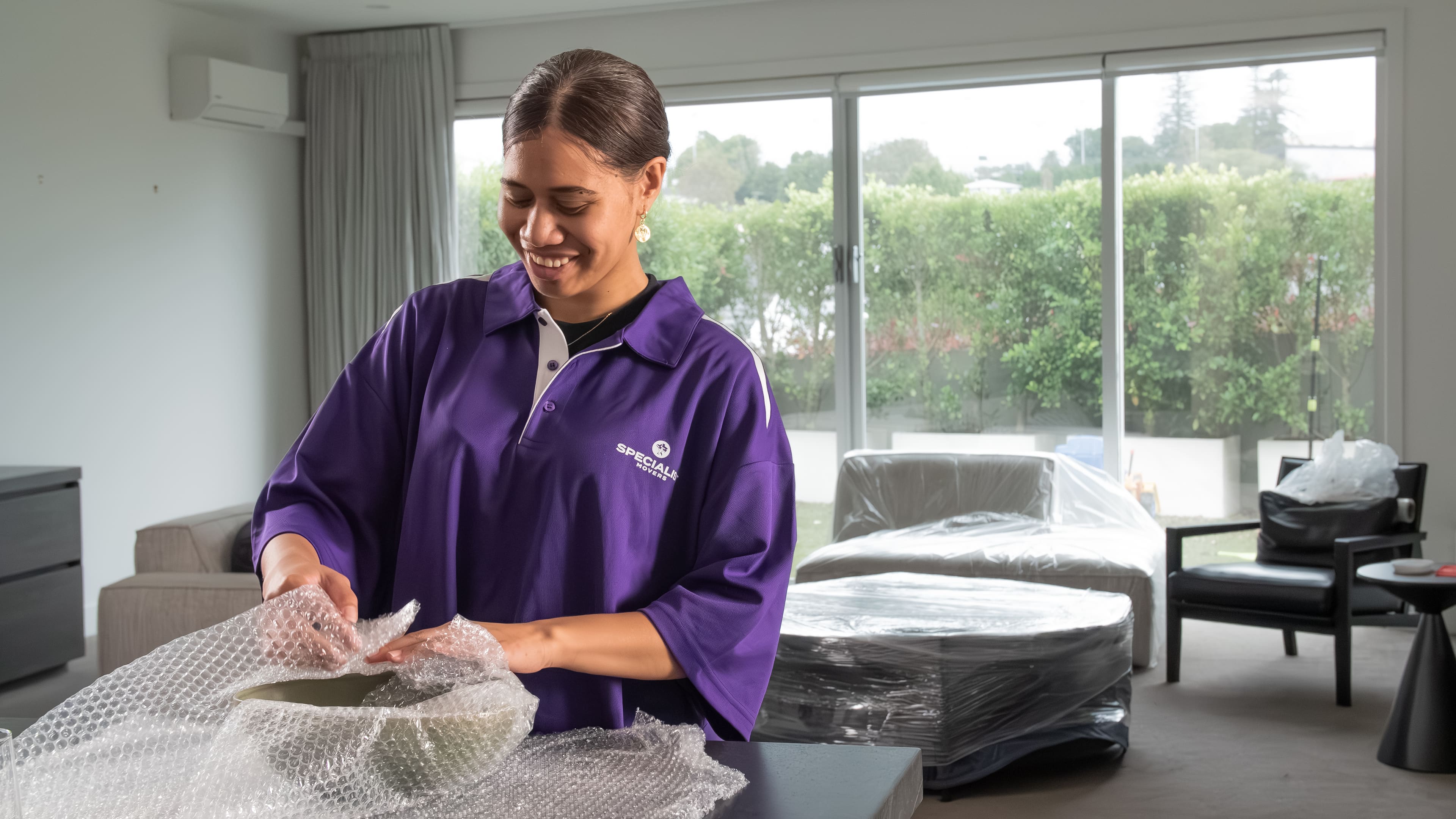
Advice from crews who do this every day
Practical tips for Auckland and Waikato moves, from packing timelines to choosing the right crew size.
Updated: 8 November 2026

Richard Boote · Owner & General Manager
Richard founded Specialist Movers in 2023 and runs the Auckland and Waikato operations. He still quotes the difficult jobs himself, and the business now completes around 180 moves a month.
Why This Situation Is Different From a Standard Office Move
Most office move guides assume you are going bigger. You have a lease-end date, a larger floor plate waiting, and time to plan. Mid-lease downsizing is the opposite. The trigger is often sudden, whether a landlord buyout, a renegotiated lease, or a headcount that shrank faster than the tenancy agreement. You are moving to less space, often on a tighter timeline, and the business cannot stop.
Auckland's CBD and fringe suburbs add their own complications. Floor plates in buildings along Karangahape Road, Victoria Street West, and the Wynyard Quarter are smaller than they look on a floor plan. Loading dock access in older Newmarket and Parnell buildings is frequently time-restricted or requires a building manager to unlock a freight lift. Getting the logistics wrong costs you a day of downtime, and in a live business that matters.
Start With the Floor Plan, Not the Furniture
Before you decide what to take, measure both spaces properly. Get the new floor plan from your property manager and mark every fixed element: columns, fire hose reels, emergency exits, and the path from the freight entrance to your suite. These are the constraints everything else has to fit around.
A common mistake is working from the old layout and trying to shrink it. Instead, start fresh. Work out how many desks the new space actually needs to hold given your current working patterns, then design around that number. Only after you have a workable layout should you check whether your existing furniture fits those dimensions.
Measure your existing pieces individually, not just the rows. A run of benching that cleared a column in your current space may not clear the one in the new building. If you have a mix of sit-stand desks, standard benches, and meeting room tables, make a simple spreadsheet: item name, width, depth, height, quantity, and destination zone in the new floor plan. This becomes your removal brief and stops the crew guessing on the day.
What to Do With the Surplus
Once you know what fits, you will have a surplus. For most mid-lease downsizes in Auckland, that means chairs, monitor arms, spare desks, filing cabinets, and probably a whiteboard or two. Work through the options in order of ease.
First, offer surplus to staff. Hybrid workers often want a desk or chair for home. This clears items at no cost and avoids disposal paperwork. Second, check whether your outgoing building has a furniture exchange board. Some managed buildings in the Viaduct and Britomart areas do. Third, organisations like Reconnect and the Sustainable Business Network have Auckland contacts that accept good commercial furniture for redistribution, which keeps items out of landfill and may matter to your sustainability reporting.
What cannot be rehomed needs a plan too. Broken chairs, worn carpet tiles, and outdated equipment may need a commercial waste contractor. Book this separately from the move itself, and confirm the outgoing building's rules on what can go into their skip. Some city-fringe buildings charge for large item disposal through the loading dock.
Restricted Loading Docks: Plan This First, Not Last
Loading dock access is the detail that derails more Auckland office moves than anything else. In the CBD, many buildings on Albert Street, Shortland Street, and the surrounding blocks allow loading only in early morning windows, sometimes as short as ninety minutes. The building manager's approval, a truck size limit, and a lift booking all have to align at the same time.
Contact both buildings' facilities managers before you do anything else. Ask for the loading dock rules in writing: permitted hours, maximum truck length, whether a tail-lift truck fits the ramp gradient, and whether the freight lift needs to be booked in advance. In older Newmarket buildings especially, the freight lifts are small and slow. Knowing this early changes how you schedule the job.
If dock access is tight, an experienced commercial moving crew can often split the job: a first run in the early dock window, then a second run later in the day using stairs or a hoist for items that cannot wait. This requires coordination but it is a real option in buildings where the dock closes at nine in the morning.
Running a Move Around a Live Business
The best moves happen when staff are not there, which usually means evenings or weekends. After-hours and weekend commercial work is something movers experienced with Auckland offices handle regularly. The building manager's cooperation is essential here too, since after-hours freight lift access sometimes requires a security override.
If you cannot do the whole move out of hours, run it in stages. Move non-essential items and storage first, while staff are still at the old site. Keep workstations in place until the final run. On the day the desks and monitors move, have IT set up at the new site ready so the gap between a person leaving one desk and sitting at the next is as short as possible.
Brief your team honestly. Tell them the exact sequence, which days each area moves, and where their personal items should be by what time. The moves that go wrong are almost always the ones where staff were not told what was happening until the morning of.
What to Hand to Your Movers
A good removal crew for a commercial job needs more than a list of furniture. Give them the floor plan for both sites with the zones marked, the loading dock rules for both buildings, the freight lift booking reference if there is one, and a contact number for the facilities manager at each building. If access is after hours, make sure the crew has the security code or knows who to call to get the lift switched on.
Be clear about what requires extra care. Some items, a framed boardroom piece, a display screen, acoustic panels, need protection that is different from standard office furniture. Point these out when you brief the crew rather than on the day.
If some items are going to storage rather than the new office, label these clearly and confirm whether the storage location is accessible by the same truck on the same day or whether it needs a separate run. Confusion about this on the day adds hours.
SiteWise Certification and Managed Buildings
Some buildings in Auckland, particularly in the Wynyard Quarter and around Victoria Park, are managed under health and safety frameworks that require any contractor on site to hold a recognised safety certification. SiteWise Gold certification with a score above 90 per cent is what gets a moving crew through the door on these sites without delays.
If your new or outgoing tenancy is in a managed building, check with the facilities team whether this applies before you book anyone. A crew that cannot get site approval on the morning of a move is not a recoverable situation.
Getting It Booked
Mid-lease office moves in Auckland tend to cluster at short notice. If you have a confirmed date, get quotes early. For larger jobs, a site visit from the moving company is worth arranging so the crew lead can walk both buildings, check the dock access, and flag anything that affects the plan before the day.
Specialist Movers operates seven days a week and handles after-hours commercial work across the Auckland CBD and fringe suburbs. The crew is licensed and insured, and cover for your goods in transit can be arranged through our team. If you want a quote or a viewing, fill in the form on our website and you will usually hear back within about fifteen minutes during business hours.